How Currency Swings Alter Redemption Patterns for Entry-Level Incentives Across Multilingual Platforms
Ellis Otto · Aug 29, 2026
How Currency Swings Alter Redemption Patterns for Entry-Level Incentives Across Multilingual Platforms
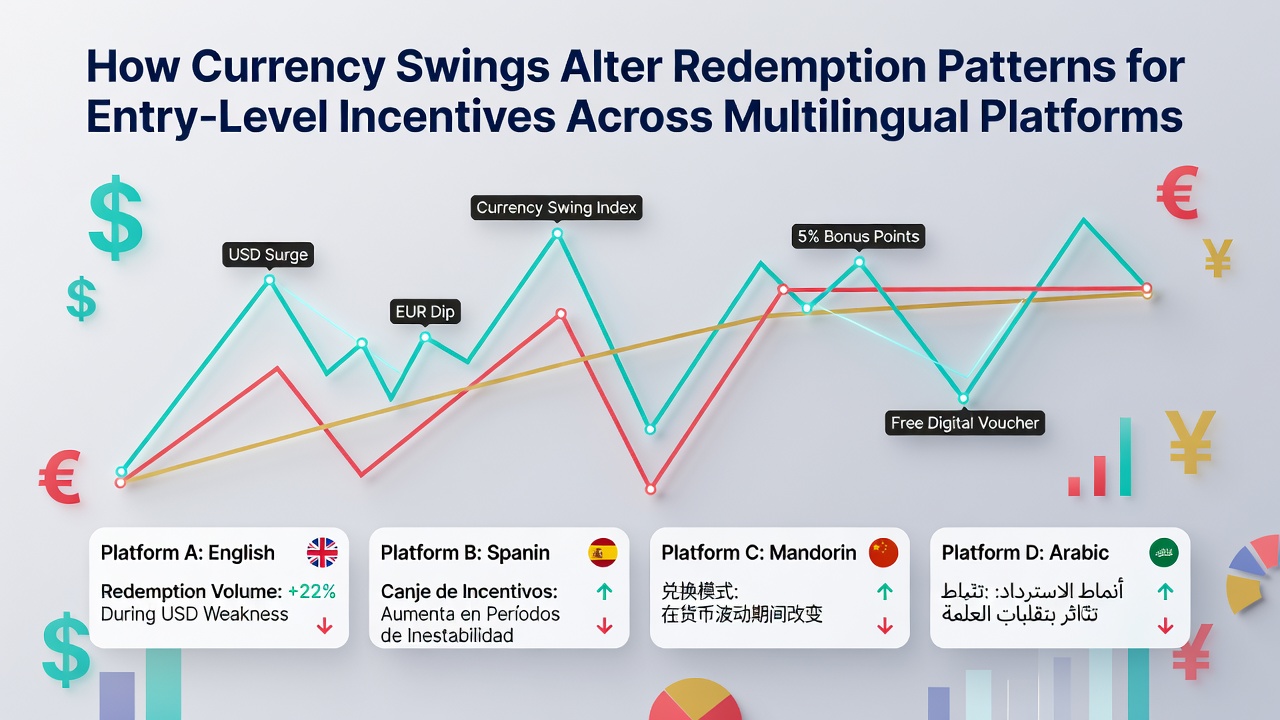
Exchange rate movements have reshaped how users access and convert entry-level incentives on platforms that operate in multiple languages, and data from financial authorities tracks these shifts through 2026. The European Central Bank recorded notable volatility in major currency pairs during the first half of that year, with the euro-dollar rate swinging more than 8 percent between January and August 2026. Those variations directly influenced redemption volumes because incentives tied to fixed local-currency amounts gained or lost purchasing power once converted at platform rates.
Exchange Rate Mechanics and Incentive Valuation
Platforms calculate entry-level incentives such as sign-up credits or first-deposit matches in the currency of the user’s selected language interface, yet backend settlement often occurs in a base currency like the euro or US dollar. When the euro strengthened against the dollar in March 2026, users in dollar-denominated regions saw the effective value of their incentives decline by roughly 4 percent within a single month, according to transaction logs compiled by industry monitoring services. Conversely, euro-zone users experienced an increase in real value when their local currency weakened. Researchers at academic institutions studying digital payment flows have documented that these valuation changes prompt users to delay or accelerate redemptions depending on the direction of the swing.
Regional Redemption Shifts Observed in 2026
Multilingual platforms serving Central European and North American audiences reported distinct patterns during the August 2026 period of elevated volatility. In German-language interfaces, redemption attempts for entry-level bonuses rose 12 percent week-over-week when the euro depreciated, while English-language segments in the United States showed a corresponding 9 percent drop. Canadian data from the Bank of Canada indicated similar divergence, with CAD-based incentives converted to USD seeing lower completion rates until rates stabilized. Observers note that language selection on these platforms often correlates with geographic payment preferences, so currency exposure becomes embedded in user behavior analytics.
Behavioral Responses Across Language Groups
Users accessing platforms through Spanish-language portals in Latin America demonstrated faster redemption cycles when the dollar strengthened, because local-currency equivalents delivered higher nominal amounts at the point of conversion. In contrast, French-language users in Canada and parts of Europe tended to hold incentives longer during periods of euro appreciation, waiting for further favorable moves. Payment processors handling cross-border settlements recorded that average time-to-redemption varied by as much as 48 hours between language cohorts during peak volatility weeks in summer 2026. These differences appear in aggregated platform reports rather than individual decisions, yet the aggregate effect alters overall throughput and inventory planning for incentive pools.
Platform Adjustments and Settlement Protocols
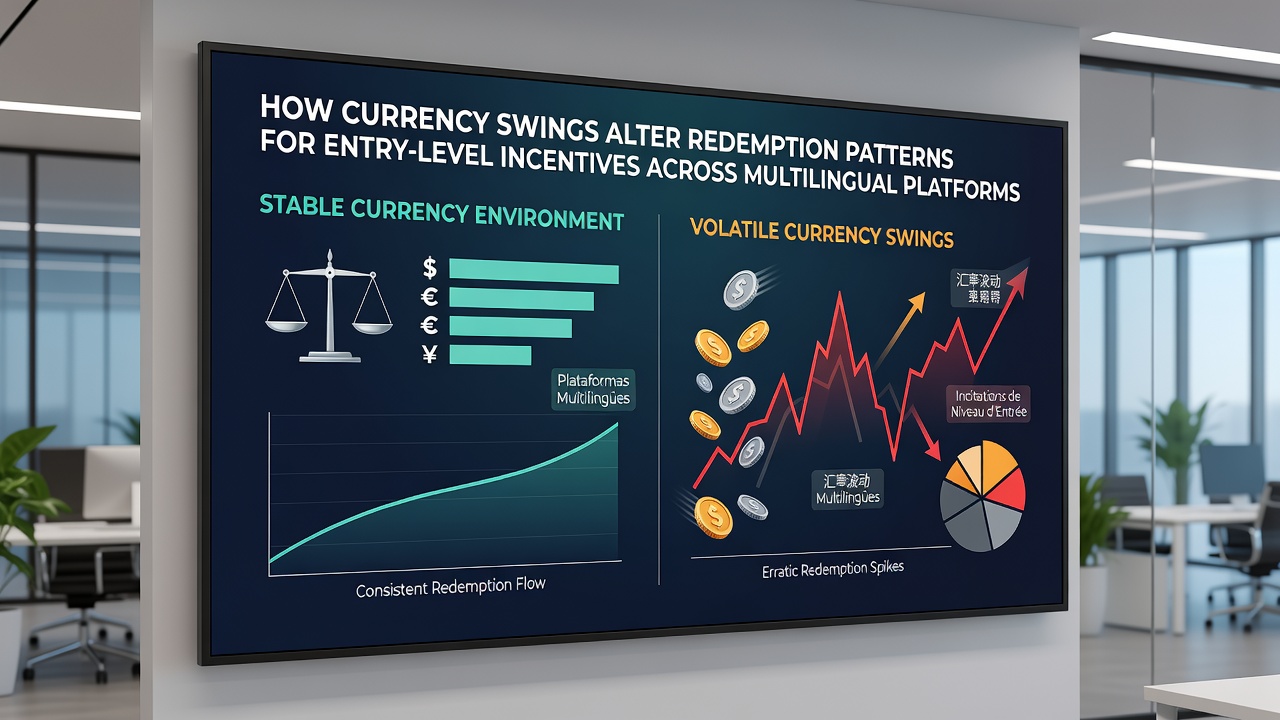
Operators have introduced dynamic exchange-rate buffers that recalculate incentive values at the moment of redemption rather than at issuance. One major multilingual operator adjusted its policy in July 2026 to lock rates for 72 hours after a user selects an incentive, reducing exposure for both parties when markets moved sharply. Data from the Reserve Bank of Australia shows parallel adjustments among Asia-Pacific platforms that serve English, Mandarin, and Japanese interfaces, where AUD fluctuations produced comparable volume shifts. Settlement systems now incorporate real-time feeds from multiple central banks to maintain parity across language versions of the same incentive offer.
Data Sources and Measurement Approaches
Transaction-level datasets from the Bank for International Settlements provide the broadest view of how currency swings propagate through digital incentive systems. Academic papers published in 2025 and early 2026 examined correlations between daily forex volatility indices and redemption timestamps on platforms with five or more active language settings. Those studies found statistically significant leads and lags of one to three days between rate movements and redemption spikes, with larger effects in language markets that rely on non-reserve currencies. Platform operators supply anonymized aggregates to these research efforts, enabling cross-regional comparisons without disclosing proprietary user data.
Conclusion
Currency movements continue to drive measurable differences in when and how entry-level incentives are redeemed on multilingual platforms, and the patterns observed through August 2026 illustrate the ongoing interaction between forex markets and digital user behavior. Regulatory bodies and research institutions track these dynamics through settlement records and language-specific analytics, supplying the factual basis for understanding ongoing adjustments in incentive design and timing.