How Regional Licensing Rules Influence the Structure of Initial Player Incentives on Cross-Border Gaming Sites
Yara Simmons · Oct 24, 2026
How Regional Licensing Rules Influence the Structure of Initial Player Incentives on Cross-Border Gaming Sites
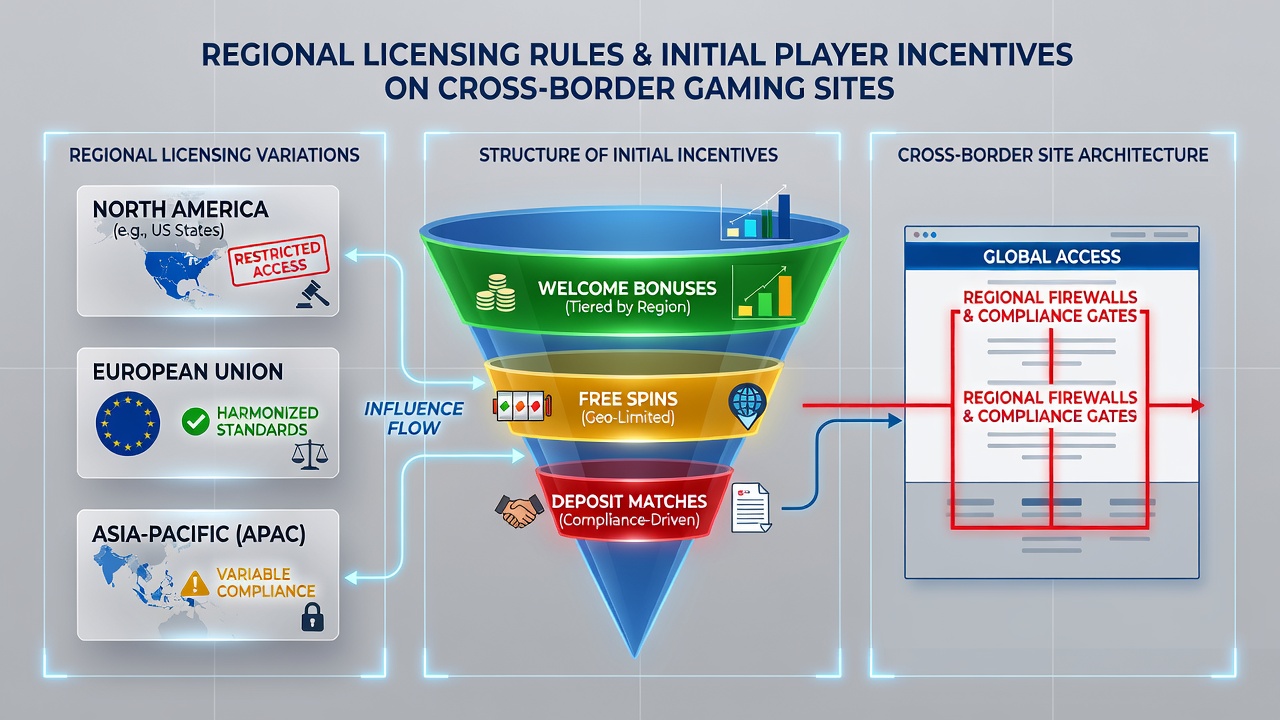
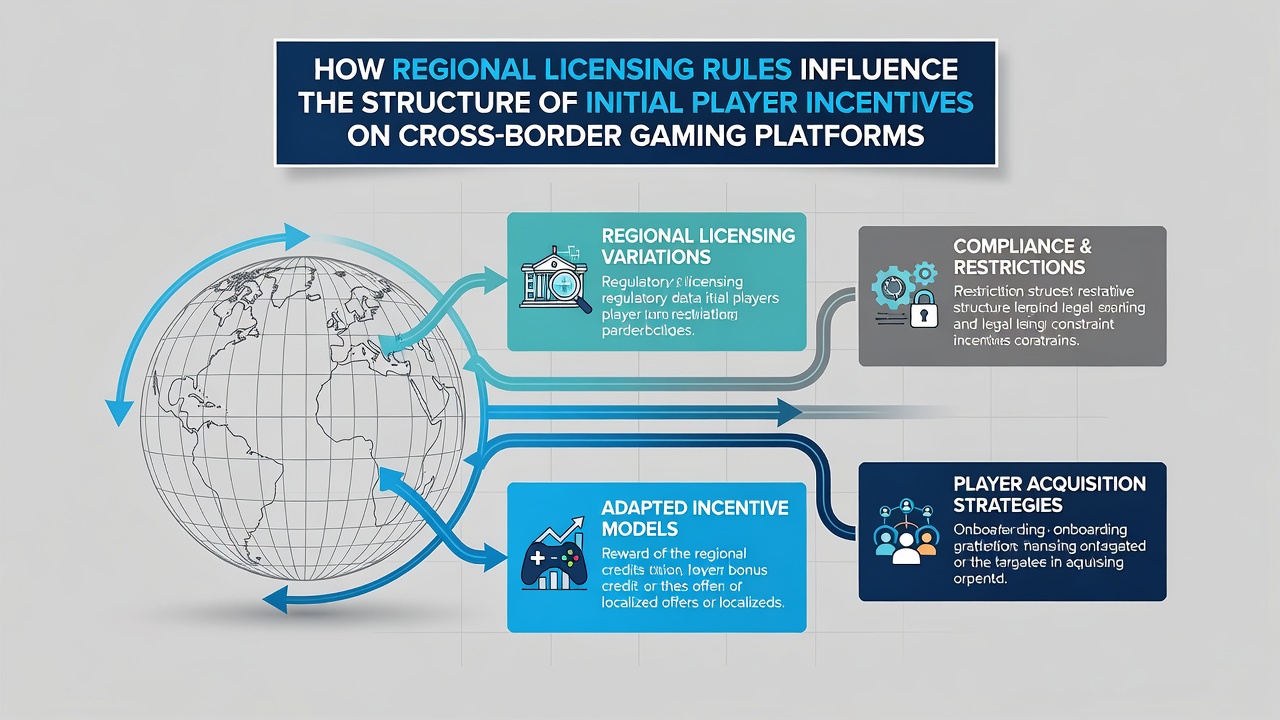
Cross-border gaming sites operate under multiple licensing regimes that directly determine the form and availability of initial player incentives such as welcome bonuses, free spins, and no-deposit rewards; these rules emerge from jurisdictions including Malta, Curacao, Gibraltar, and various European Union member states, each imposing distinct compliance obligations that platforms must satisfy before offering promotions to players from specific territories.
Licensing Frameworks and Incentive Design
Operators holding a Malta Gaming Authority license must align welcome offers with consumer protection standards that cap bonus amounts and require clear disclosure of wagering requirements, while platforms licensed in Curacao often feature more flexible structures because local regulations focus primarily on operational integrity rather than detailed bonus parameters; this difference means a single site can present one set of incentives to players in EU countries and another to users in Latin America or Asia depending on the regulatory overlay in force.
Data from industry reports indicate that platforms adjust deposit-match percentages and eligibility windows to match the strictest applicable rules when serving multiple regions simultaneously, and observers note that such adaptations frequently result in segmented marketing campaigns that route players through geo-specific landing pages.
Geographic Eligibility and Bonus Segmentation
Regional licensing rules frequently mandate that initial incentives remain unavailable to residents of certain countries even when the platform itself accepts traffic from those locations; for example, operators licensed under German state treaties restrict no-deposit rewards to players within approved federal boundaries, whereas the same company might extend registration bonuses to users in neighboring jurisdictions under a separate license.
Studies compiled by the European Gaming and Betting Association show that cross-border sites routinely implement IP-based filtering and account verification protocols to enforce these boundaries, and figures reveal that non-compliance can trigger license reviews or financial penalties that outweigh the revenue generated from restricted promotions.
Wagering Requirements and Regional Variations
Wagering multipliers attached to initial player incentives differ sharply according to the licensing authority overseeing the offer; regulators in several EU countries enforce multipliers between 20x and 35x on deposit bonuses, while authorities in offshore jurisdictions sometimes permit higher thresholds provided the terms appear in player agreements; platforms therefore calibrate these figures per market to avoid enforcement actions while still attracting new accounts.
Research conducted by academic groups tracking global gaming trends demonstrates that players in high-regulation zones encounter longer redemption periods and stricter game contribution rules, whereas those in lighter-touch markets receive incentives with shorter playthrough demands; such patterns hold steady across multilingual platforms that serve overlapping audiences.
Developments Anticipated by October 2026
Regulatory updates scheduled to take effect in several European jurisdictions by October 2026 are expected to introduce standardized disclosure templates for all entry-level incentives, requiring operators to display maximum bonus values and exclusion lists in a uniform format regardless of the player's location; these changes will compel cross-border sites to redesign their registration flows and backend systems to accommodate the new reporting obligations.
Industry analysts tracking these timelines report that companies with multiple licenses have already begun testing unified compliance modules that adjust incentive structures automatically based on detected player jurisdiction, and early implementations suggest reduced administrative overhead once the October 2026 rules stabilize.
Conclusion
Regional licensing rules continue to shape the architecture of initial player incentives on cross-border gaming sites by dictating eligibility, bonus values, wagering conditions, and promotional timelines; platforms respond through segmented offerings and technical controls that maintain compliance across jurisdictions, and upcoming harmonization efforts scheduled for October 2026 will likely accelerate the adoption of automated systems capable of delivering market-specific incentives without manual intervention.