How Time Zone Differences Reshape Access Windows for Registration Incentives on Global Gaming Sites
Ellis Otto · Oct 10, 2026
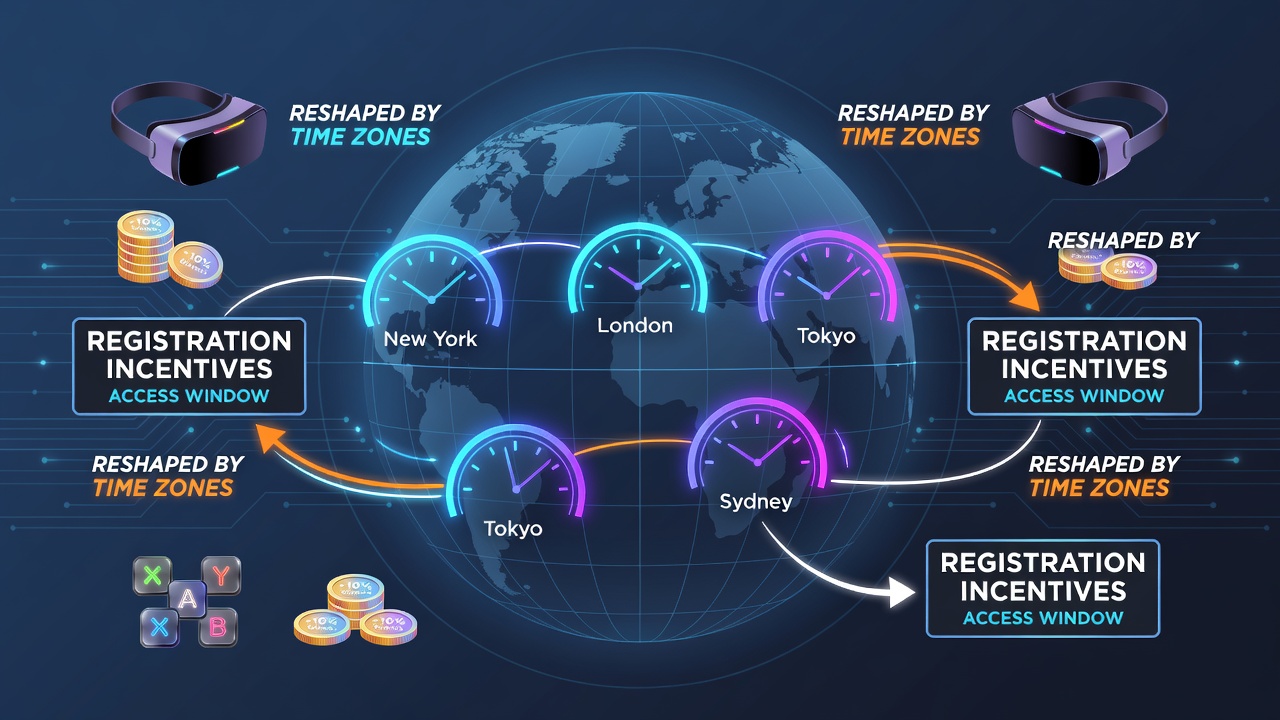
How Time Zone Differences Reshape Access Windows for Registration Incentives on Global Gaming Sites
Global gaming platforms operate across multiple time zones, and registration incentives such as welcome bonuses or zero-deposit rewards follow strict access windows tied to server clocks rather than player locations. These windows determine when new accounts can claim offers, and the misalignment between Coordinated Universal Time on company servers and local times in player regions creates measurable shifts in participation rates. Data from industry monitoring services indicate that peaks in successful registrations occur when local midnight aligns closely with UTC-based promotion starts, while regions offset by eight or more hours experience delayed or reduced uptake.
Server Time Standards and Regional Offsets
Most international gaming sites set promotion timers to UTC or the operator headquarters time zone, which means players in Asia or the Americas encounter start times that fall during work hours or late evening in their own zones. Researchers tracking user logs across platforms have observed that a promotion launching at 00:00 UTC reaches European users at convenient evening slots yet hits East Coast North American accounts at 8:00 PM the previous day and Australian accounts at 10:00 AM the following morning. This pattern repeats across dozens of sites, producing consistent regional gradients in claim volumes.
Operators adjust these windows quarterly to account for daylight saving changes in major markets, yet the adjustments rarely synchronize perfectly with every affected region. Figures compiled by gaming analytics firms reveal that sites serving players from more than five time zones record a 12 to 18 percent variance in first-day registration completions depending solely on the hour offset between server time and the player's local clock. Those variances widen further when promotions run for exactly 24 or 48 hours without rollover provisions.
Impact on Registration Incentive Claims
Registration incentives tied to account creation often expire within narrow calendar windows, and time zone differences compress or expand those windows for users outside the primary market. A bonus available from October 1 through October 7 2026 at 23:59 UTC closes for Singapore-based players at 7:59 AM on October 8, while the same cutoff arrives at 3:59 PM on October 7 for users in Los Angeles. Observers monitoring platform APIs note that automated claim systems sometimes allow grace periods measured in server minutes, but manual verification steps frequently lock out late submissions once the UTC deadline passes.
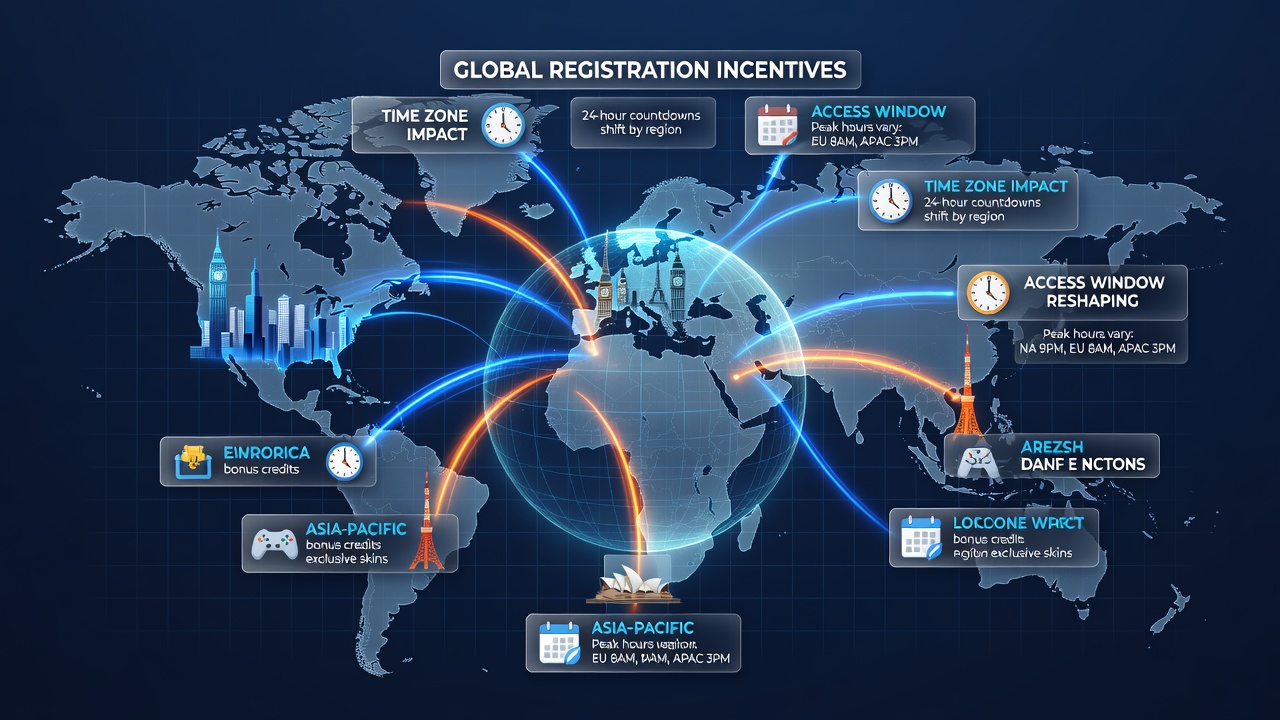
Studies conducted by academic groups examining digital platform behavior show that users who attempt claims near their local midnight experience higher success rates when the offer deadline falls after 10:00 PM local time. In contrast, deadlines landing between 2:00 AM and 6:00 AM local time correlate with incomplete registrations because verification emails or SMS codes arrive while players sleep. Platform operators have responded by publishing deadline times in multiple zone formats on their sites, yet conversion data still reflect persistent gaps between regions separated by six or more hours.
Regulatory and Operational Responses
Regulatory bodies in different jurisdictions impose transparency requirements on promotion timing, and these rules intersect with time zone mechanics. Reports issued by the Malta Gaming Authority document that licensed operators must list all cutoff times in both UTC and the local time of the license jurisdiction, which reduces confusion for European players but leaves operators serving global audiences to maintain additional disclosure tables. Similar requirements appear in guidelines from the Nevada Gaming Control Board, where operators must archive timestamped records of every promotion window to allow audits across time zone boundaries.
Industry associations such as the European Gaming and Betting Association have compiled case examples showing that synchronized multi-zone countdown clocks on registration pages increase completion rates by measurable margins. Those same reports note that platforms without such clocks experience higher volumes of support tickets requesting deadline extensions, particularly from players in time zones where the offer window closes overnight. Operators that introduced dual-clock displays in late 2025 recorded subsequent reductions in extension requests during the first half of 2026.
Player Behavior Patterns Across Zones
Analytics teams examining account creation logs find that players in time zones offset by three to five hours from server time often pre-register accounts days ahead to secure eligibility, whereas users aligned with server time tend to register on the first day of an offer. This preemptive behavior concentrates server load during specific UTC hours and can trigger temporary rate limits that affect later-arriving users from distant zones. Data collected through October 2026 shows these load spikes shifting predictably with the introduction of new incentive campaigns.
Payment processors and verification services add another layer, because identity checks sometimes carry their own time-based cutoffs tied to banking hours in the player's country. When a registration incentive requires verified payment details within 24 hours of account creation, players whose local banking windows fall outside the promotion period encounter additional barriers. Cross-referenced records from multiple platforms indicate that such combined constraints reduce successful redemptions most sharply in regions where banking hours and promotion windows overlap by less than four hours.
Conclusion
Time zone offsets continue to define the practical availability of registration incentives on global gaming sites, shaping both the timing of claims and the volume of successful registrations. Platform operators respond with multi-zone displays, adjusted deadlines, and archived records that satisfy regulatory expectations from bodies such as the Malta Gaming Authority and the Nevada Gaming Control Board. Continued monitoring of user logs and claim patterns provides the data needed to refine these access windows as new markets and daylight-saving schedules emerge.